Thursday, 29 June 2017

Maruti Suzuki Alto Sales Cross the 1 Lakh Mark In 5 Months

The Maruti Suzuki Alto has always been one of the bestsellers from the stables of the company. Maruti Suzuki recently announced that its Alto range, which includes the Alto K10, Alto 800 and the Alto CNG have crossed the one lakh sales mark in the first five months of 2017. Truly astounding! In fact, the Maruti Suzuki Alto has been topping the sales charts for close to 17 years now. The Maruti Suzuki Alto has been a significant contributor to the dominance of the company in the Indian passenger car segment over the years.

The Maruti Suzuki Alto is the most affordable car from the Maruti Suzuki stable and yes, there are concerns with regards to space in it, but clearly, the buyers out there want something with a good design and good fuel efficiency too. According to some statistics shared by Maruti Suzuki, nearly 25 per cent of Alto sales contribution comes from young customers less than 30 years of age and this contribution has grown by 4 per cent in the past three years.

 Maruti Suzuki first launched the Alto in the Indian market in September 2000 and in the 17 years of its existence in India, the company has upgraded it time and again to keep up with the demands of the customers. In the first three years of the Alto's launch, it clocked 1 lakh of cumulative sales. During 2016-17, Maruti Suzuki exported over 21,000 units of Alto to markets such as Sri Lanka, Chile, Philippines, and Uruguay and this is in addition to domestic sales.

Maruti Suzuki has regularly upgraded the Alto with the latest technology and new features. Maruti Suzuki has also equipped it with an Auto Gear Shift Transmission (AGS) technology which makes the Alto the most affordable automatic car from Maruti Suzuki. The demand for the automated manual transmission variant has seen a rise too and the demand is an ever growing one.
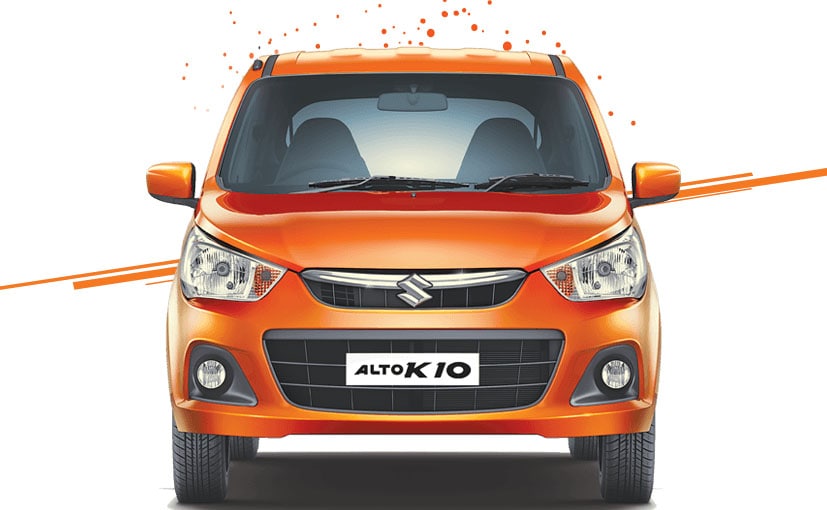
maruti suzuki alto(The Maruti Suzuki Alto has been topping the sales charts for over 17 years now)
While Maruti Suzuki has had its fair share of success with the Alto K10 and the 800 cc variant, it is currently working on bringing out a new generation of the car and we've already told you all about it. Maruti Suzuki is working on a concept car that will showcase the direction the Alto family will take post 2018. The concept car will be teased at the 2018 Auto Expo in Delhi.

The Maruti Suzuki Alto has been facing tough competition recently, from the Renault Kwid and some of the others like the Datsun redi-Go. In the first eight months of FY 2016-17 Alto sales have taken a hit. Sales have declined by 7.4 per cent to 1,62,894 units, while the Renault Kwid has shot up to 73,676 units from 11,044 units sold in the same period the year before.
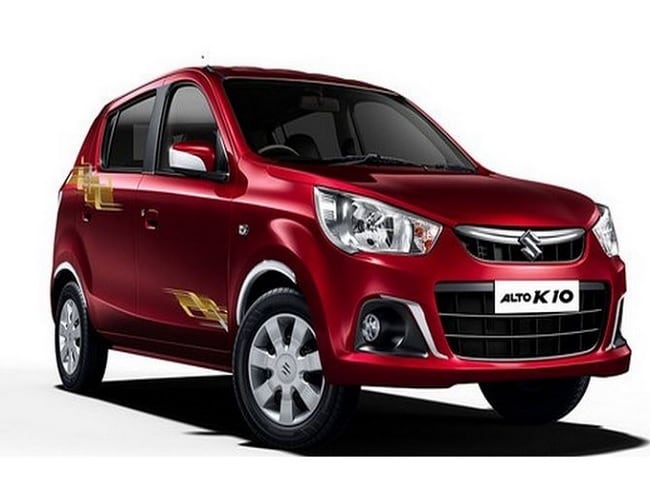
maruti suzuki alto k10
(The Maruti Suzuki Alto is mostly preferred by young customers who are below 30 years of age)
Maruti Suzuki will use the top to bottom approach when it comes to new-gen Alto, so we expect a whole bunch of changes in the field of advanced connectivity and a better user interface. expect it to get a good infotainment system and expecting Android Auto and Apple Carplay also won't be a far fetched idea. But considering the segment, we don't expect the fit and finish of the system like that on both the Ignis and Baleno. In fact it will be a segment first if it does come. The Alto will have to have these options considering the Kwid already comes with a touchscreen infotainment system with navigation. These next few months are crucial then as we wait to find out what Maruti Suzuki has in store for us.

Volvo, Volkswagen Ready To Supply Flex-Fuel Vehicles: Gadkari

Keen to promote transportation on alternative fuel like methanol and ethanol, Union Minister Nitin Gadkari said on Tuesday that automobile giants Volkswagen and Volvo have shown interest in supplying such vehicles to be run on a pilot basis in the country. 

"We had a talk with Volvo... they are ready to supply 50 buses on methanol in Pune and Mumbai," Road Transport, Highways and Shipping Minister Gadkari said.

Gadkari said the project will be on a pilot basis initially, and could be replicated as there was immense potential for running vehicles on alternative fuel like methanol, ethanol and Bio CNG. The minister said that talks were on with taxi aggregator Ola for running taxis on ethanol.

"Volkswagen is ready to supply flex engine for 100 vehicles if ethanol supply is ensured," he said.
Like flex engine in the US, Brazil or Canada, which can run either on 100 per cent petrol or fuel blended with 22 per cent ethanol, taxis here too can be operated on a pilot basis, he said. Last month Nagpur, the constituency of Gadkari, had earned the distinction of becoming the country's first city with a fleet of 200 electric vehicles, including taxis, buses, e-rickshaw and autos.

The minister had launched the pilot project for 200 electric vehicles, including 100 of Mahindra's new e20 plus to be run by Ola. Gadkari said that alternative fuel had huge potential and can cut on huge Rs 7 lakh crore import bill on crude. He said ethanol could be produced in large quantities in Uttar Pradesh and Bihar, and taxis running on it could save Rs 4.5 per km on fuel charges. The minister said, in Stockholm 400 buses were running on ethanol which can be easily produced in India, while Gujarat State Fertiliser Corporation could produce methanol, which is produced from coal gasification.

"In fact we are thinking to promote alternative fuel in shipping sector as well and vessels could be run on methanol which is cheaper than LNG," he said, adding 500 barges were brought for Ganga which could be run on these if all goes well.

Last month, Gadkari had said he will urge Finance Minister Arun Jaitley to bring down GST rate on hybrid vehicles and other automobiles that run on alternate fuels. Under the GST rates, hybrid cars, which are considered eco-friendly, are slated to attract a 15 per cent cess over and above peak rate of 28 per cent, same as those of large luxury cars and SUVs.

The automobile industry has expressed concern on the high rate on hybrids stating it would put a spanner in the wheels of government plans to promote green vehicles. At present hybrid vehicles attracts excise duty of 12.5 per cent with an effective overall tax rate of 30.3 per cent.

Yamaha Fazer 25 To Be Launched Around The Festive Season This Year

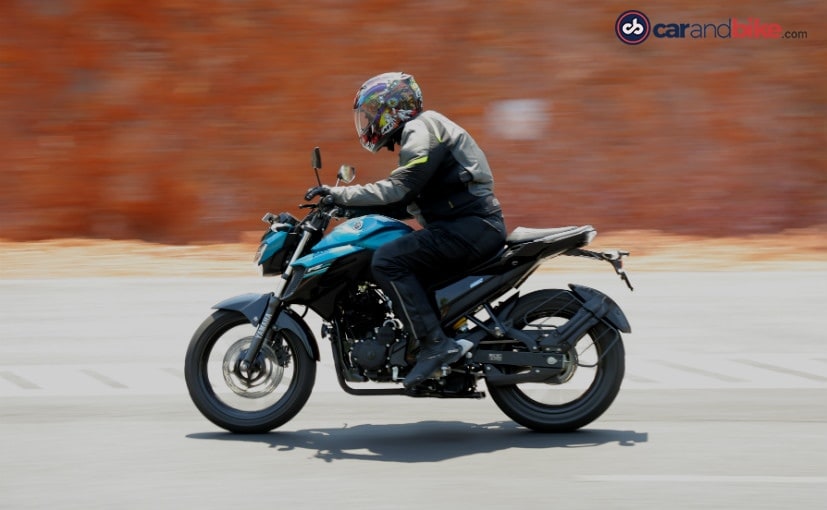
The Yamaha FZ25 went on sale earlier this year and will soon be joined by its full faired version. While we recently showed you images of Yamaha's new 250 cc Fazer 25 being tested, a recent news report suggests that production of the upcoming model will commence in August this year with the launch scheduled sometime around the festive season. The Yamaha Fazer 25 will be the more touring friendly version of the FZ25 naked motorcycle, and will share its underpinnings with the latter.

The FZ-16 and the following Fazer 150 have been one of Yamaha's success stories, so it's not surprising the bike maker plans to replicate this strategy with the FZ25 as well. Given we have already seen spy shots of the Fazer 25 being tested, the model certainly seems well on its way to production by the end of this year. That said, Carandbike reached out to Yamaha Motor India to confirm the veracity of the report, but there has been no response from the company yet.

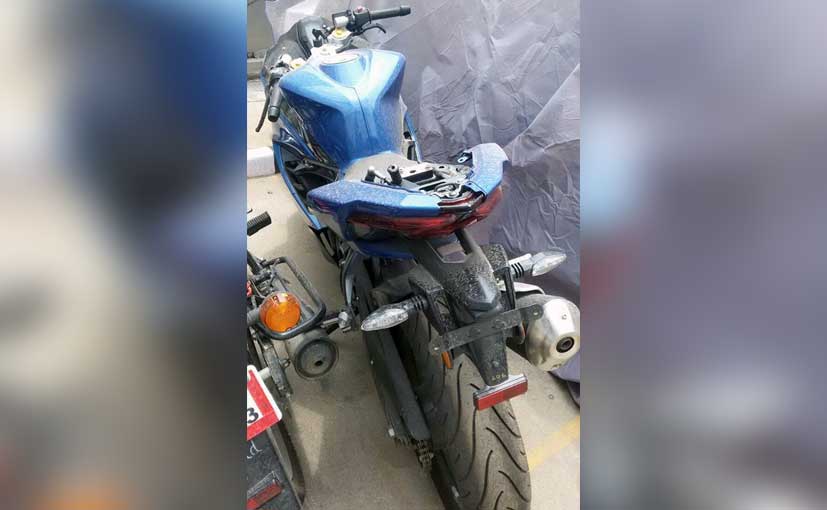
Unlike its 150 cc version though, the Yamaha Fazer 25 sports a full-fairing while also gaining new rear view mirrors and a larger windscreen. Previous spy shots have also revealed the new Fazer 25 to sport a single headlamp cluster instead of the dual setup on the 150 cc model.

yamaha fz25 review first ride
The Yamaha FZ25 has been appreciated for its spirited performance
   Under the fairing though, both models will be sharing the same mechanical system. The Yamaha Fazer 25 will also sport a 249 cc air-cooled engine with oil cooling. On the FZ25, the motor makes 20 bhp and 20 Nm of peak, while paired to a 5-speed gearbox. Expect similar numbers on the Fazer as well, albeit there will be a marginal rise in the kerb weight of the bike. That said, the Fazer 25 will be positioned as a tourer more than an aggressive naked. Other details will also remain the same including telescopic front forks and a monoshock rear suspension setup, split seats and dual disc brakes sans ABS. That said, we could see Anti-Lock Brakes being added later in the timeline on both models.
Apart from the additional fairing and weight, the Yamaha Fazer 25 will see a bump in pricing as well over the FZ25. The latter currently starts at ₹ 1.20 lakh (ex-showroom, Delhi) and you can expect the quarter-litre Fazer to attract a price tag of ₹ 1.35 lakh. In terms of competition, the Yamaha Fazer 25 will lock horns with the Honda CBR250R, KTM RC200 and the likes in the segment.

New BMW 5 Series Launched In India; Prices Start At ₹ 49.90 Lakh

A much-awaited launch from the Bavarian carmaker, the seventh generation BMW 5 Series is now officially on sale in India with prices starting at ₹ 49.9 lakh, going up to ₹ 61.3 lakh (ex-showroom, Delhi). The previous generation 5 Series was a bestseller for BMW India and also globally, and the newest edition only makes things more luxurious, powerful and more engaging to drive as well. We have been bringing you all the live updates from the 5 Series launch, while we have already driven the car and came back quite impressed. Competing against some heavyweights in the segment, here's everything you need to know about the all-new BMW 5 Series.

The 2017 BMW 5 Series is based on a completely new platform and is sharper and lighter than its predecessor. It is the second model to be based on BMW's new Cluster Architecture (or CLAR) that first underpinned the new generation 7 Series. The advanced platform along with extensive use of the aluminium has helped shed the kerb weight by 70 kg over the older gen 5 Series. With respect to the design, the new 5 takes much influence from the new 7 boasting of a toned kidney grille, sharper headlamps and massive wraparound LED taillights. The rear does not change dramatically over the outgoing model, but there is clearly a lot less visual bulk than the older version.

The cabin has evolved over the current version and the new BMW 5 Series welcomes you to a suave and futuristic interior. You now get a fully digital instrument console along with a larger infotainment screen. The unit is equipped with voice control and gesture control, while you also get multi-zone climate control, leather upholstered seats and the latest iteration of BMW's iDrive for enhanced in-car connectivity.

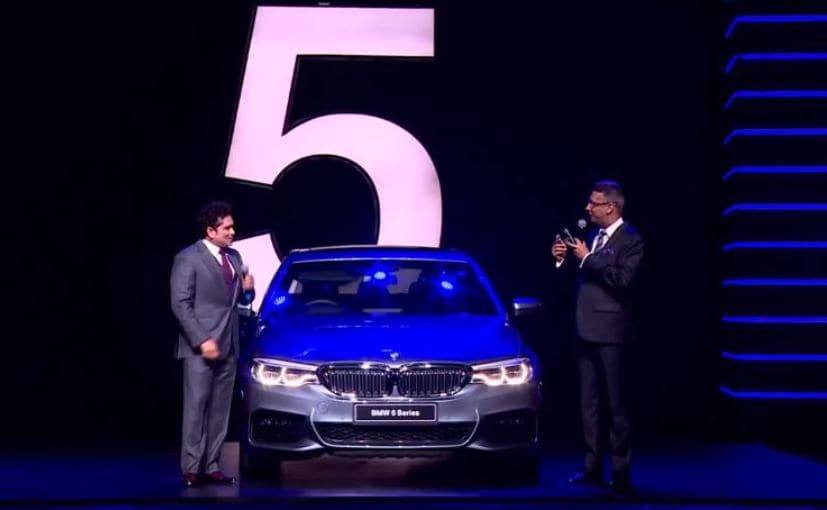
sachin tendulkar and vikram pawah
Sachin Tendulkar and Vikram Pawah with the new 2017 BMW 5 Series


The BMW 5 Series 2017 model comes with a ranges of updated powertrains and India will be getting three engine variants - a 2.0-litre, 4-cylinder oil-burner that will make 187 bhp, which we'll see on the 520d, a 3.0-litre, in-line 6 diesel churning 261 bhp on the 530d and finally, a 2.0-litre 4-cylinder petrol motor that will be churning out 249 bhp on the 530i. All the models will be paired with an 8-speed automatic gearbox. All versions come paired to an 8-speed automatic transmission with power being sent to the rear wheels.
The new generation BMW 5 Series has grown considerably in its size while the wheelbase too is much liberal at 2970 mm. The automaker has freed up more legroom at the rear and the car certainly feels a lot more spacious inside and out. More importantly, the new 5 Series is sportier to drive than its older model and that will certainly attract a lot of young buyers to the car.

BMW India has a major challenge as it aims to push the new 5 Series against the Mercedes-Benz E-Class Long Wheelbase (LWB), Volvo S90, Audi A6 and the likes in the segment. BMW India though has kept prices competitive for its popular offering, and that should attract a host of new buyers to the sedan. Local assembly of the new 5 Series commenced at the BMW Chennai facility earlier this month, while deliveries are all set to commence soon.

Tuesday, 6 June 2017

New 2018 Volkswagen Polo Officially Teased Ahead Of Frankfurt Debut


Volkswagen will officially pull the wraps off the new-generation 2018 Polo hatchback later this year. Expected to make its debut at the Frankfurt Motor Show, this September, the upcoming Volkswagen Polo will be launched in India in 2018. Ahead of the car's official debut, Volkswagen has released the first teaser image of the car. The teaser shows an outline of the sixth-generation Volkswagen Polo, which has gone through considerable design and cosmetic updates. Last month, the company had released some images of a camouflaged prototype of the new-gen Polo to create some extra buzz.

Now, we have already seen the new-gen VW Polo in its undisguised avatar. Visually, the car looks a lot sleeker now and it's also expected to come ith a 90 mm longer wheelbase. There will be other dimensional changesthem only after the 2018 Polo is officially unveiled. Moreover, the new Volkswagen Polo is now built on the company's tried and tested MQB platform, similar to the likes of the Audi Q2, Skoda Kodiaq as well but we will get to know about , Volkswagen Passat and more.

In terms of styling, the new VW Polo appears to have taken inspiration from its older and more powerful sibling - the Polo GTI. The car comes with sharp character lines on the sides and bonnet along with new sporty alloy wheels. Up front, the new Polo features a new, stylish pair of wraparound LED headlights, featuring projector lamps and LED daytime running lights. The car also gets a new sleeker grille with chrome highlights and a wider airdam along with new trapezoidal foglamps. The rear portion looks bolder and comes with a new LED taillamps and redesigned rear bumper.

While there are still no images of the cabin, you can surely expect to see a more upmarket appearance thanks to new interior trim options, improved styling and a host of new features like - a touchscreen infotainment system with Apple CarPlay and Android Auto, climate control, keyless entry and more.
Globally, the new Volkswagen Polo comes with an array of 3-cylinders and 4-cylinder engines and a hybrid powertrain is also said to be on the cards. The India-bound VW Polo, however, is expected to feature the same petrol and diesel engine options that do duty on the outgoing Volkswagen Polo.

Apple iPhone Gets 'Do Not Disturb While Driving' Feature To Avoid Distractions


For a lot of us, it is hard to resist checking your phone while driving to keep a tab on all the notifications. However, time and again, phones have been a major reason for accidents because the driver was not paying attention on road. Somehow, tech giant Apple has been at the receiving end of this issue, since it would not stop its users from using the iPhone when driving. Trying to combat the same, Apple Inc has now created a new feature for the upcoming iOS 11 update called 'Do Not Disturb While Driving' (DNDWD).

It's obvious that you should not be looking at your phone when driving and the new safety feature will ensure you do exactly that. When activated, DNDWD will ensure that your screen looks blank and all those notifications, alerts, messages and calls are avoided altogether. The software uses Bluetooth or WiFi doppler effect to determine how quickly you're moving, to determine if you're driving or not.

If you still try to see your phone screen in motion, it will remain blank thanks to this feature. Should you want to use your phone, you will have to pull over.

The feature thankfully, does not disconnect you with the world completely when driving. The feature auto-replies to texts with a message saying that you're driving. There is also an option to list certain contacts, who will have the option to text back as "urgent" to display their text regardless if Do Not Disturb While Driving is running. For car's that do not get Apple CarPlay yet, this feature is Apple's attempt to keep things safe.

But, what if you are the passenger? Apple says the feature can be turned off by saying you're a passenger on the phone. That also happens to be the loop hole in the tech giant's otherwise safety feature, considering many drivers too could opt for selecting the same.

That said, using your phone while driving is a life threatening risk, not only for the driver but also everyone on road. Ideally, it is something that you should naturally avoid, but such are the times we live in that we need an app to tell us this.

Volkswagen, Skoda And Audi Could Skip 2018 Auto Expo


Volkswagen India will not participate in the upcoming 2018 Auto Expo, sources close to the company have told carandbike.com. The next Auto Expo is scheduled to take place in February and it's not just VW India that might give it a miss. Volkswagen Group which includes Audi and Skoda might also not be part of the expo. Apart from the VW Group, other manufacturers including Bajaj Auto, Royal Enfield, General Motors, Ford and Nissan could also skip the upcoming Auto Expo.

The 2018 Auto Expo is organised by the industry body Society of Indian Automobile Manufacturers (SIAM) along with CII, and is held in Greater Noida around 25-30 km away from Delhi. Over the years, several manufacturers have opted out of the Expo for a number of reasons. Skoda India skipped the expo during the last edition as well and it won't be surprising to not see the manufacturer at the next edition. Bajaj too was quite vocal about its absence from the 2016 Auto Expo, stating that it was a platform for new and lesser known manufacturers to showcase its work.

While several manufacturers may not participate in the next edition, there will also be a host of new carmakers that will be showcasing products for the first time. This includes South Korea's Kia, China's SAIC as well as French automaker Peugeot. Apart from these, existing carmakers including Honda, Maruti Suzuki, Tata Motors, Hyundai, Hero MotoCorp, TVS among others are expected to continue its association with the expo. In the luxury space, it is likely that Jaguar Land Rover, Mercedes-Benz and BMW will showcase products next year.

That said, most manufacturers are yet to officially confirm participation at the 2018 Auto Expo. The biennial event witnesses a host of new products and concepts emerging for the Indian market and only gets bigger and better every year, recording a larger number of footfall as well.

Saturday, 6 May 2017

India Becomes No 1 Two-Wheeler Market, Overtakes China


India has overtaken China to become the number one two-wheeler market in the world, overtaking China in overall sales for 2016, according to the Society of Indian Automobile Manufacturers (SIAM). India sold 17.7 million two-wheelers in 2016, against China's sales of 16.8 million two-wheelers. Scooter sales alone accounted for over 5 million of those figures, while commuter motorcycles in the 100-110 cc segment accounted for nearly 6.5 million unit sales.

In terms of pure volumes, China's two-wheeler market is huge, but China's domestic motorcycle market has seen a downturn in recent years due to a ban of motorcycles in many Chinese urban centres.  

  2010 2011 2012 2013 2014 2015
Motorcycle Sales in China (In Million) 27.51 27.22 26.37 25.75 26.95 24.56

In 2010, China's domestic motorcycle sales reached over 27 million and then decreased gradually over the next four consecutive years. Comparatively, two-wheeler sales in India have been on an uptrend over the past few years. In 2011-12, India sold over 13 million two-wheelers, which increased to nearly 16 million unit sales by 2014-15. As it stands currently, India's two-wheeler sales are over 17 million at the end of the financial year 2016-17.

  2011-12 2012-13 2013-14 2014-15 2015-16 2016-17
Two-Wheeler Sales in India (In Million) 13.40 13.80 14.80 15.97 16.45 17.67 

There are several reasons for the downtrend in the Chinese two-wheeler market. The Chinese domestic market is highly regulated and import barriers are high, reducing motorcycle imports. Moreover, there is no developed motorcycle culture like in the West, so higher capacity motorcycles don't see any significant sales growth.

Additionally, about 200 municipalities and cities have banned motorcycles completely from their downtown areas. Heavier bikes with larger engine sizes are officially forbidden from entering the urban area. More importantly, declining motorcycle sales in China are also attributed to the availability of inexpensive Chinese cars. These cars, produced by domestic car makers pose a threat to the two-wheeler market. In India on the other hand, the two-wheeler market is rapidly increasing with a corresponding rise in spending power, and without any restrictions such as China's. The bulk of India's two-wheeler sales comes from commuter motorcycles and automatic scooters.

2017 Honda City Facelift Receives Over 25,000 Bookings

The 2017 Honda City facelift has received over 25,000 orders since it was launched in India in February 2017. The fourth-generation of the Honda City car, among the company's most popular models in India, had in fact bagged more than 14,000 bookings within one month of its launch here. Yoichiro Ueno, President and CEO, Honda Cars India had said in March that over 40 per cent of the bookings for the Honda City were for the top-of-the-line ZX variant - an occurrence even the carmaker hadn't expected considering the fact that the variant in question costs ₹ 13.52 lakh (ex-showroom, Delhi).


Yoichiro Ueno said: "HCIL sales continue to grow positively and we registered our higher ever April numbers backed by strong demand for New City 2017 and Honda WR-V. The new fiscal year has begun on a positive note and we hope to continue the growth momentum."
Honda City Facelift 2017 was launched in India on 14 February with a myriad of cosmetic upgrades and new features though it continues to be offered with the same engine options as its predecessor - the 1.5-litre petrol and 1.5-litre diesel. Offered across a total of 11 variants, the model comes loaded with an impressive array of provisions such as LED daytime running lights, LED headlamps, a 7-inch touchscreen audio-visual navigation system with an Android based interface, dual airbags, ABS with EBD, and ISOFIX mounts for child seats. And if you were wondering, Honda City's price ranges between ₹ 8.5 lakh to ₹ 13.56 lakh (ex-showroom, Delhi).

Skoda Launches Its First Digital Showroom

Skoda has launched its first online showroom, Skoda Live Tour, in the UK. The facility allows customers to access the online showroom on their computer, tablet or smartphone and receive the showroom experience at a time and place of their convenience. The Czech carmaker's online showroom connects the customer to a Skoda Product Host via an internet video link, who takes patrons into the Live Tour showroom and acquaints them with the company's models. Prospective customers in the UK can now also receive an online consultation with a Skoda Product Host. To access Skoda Live Tour, customers simply need to click on simple button on the product homepage that registers their request for an immediate call back or schedules an appointment at their convenience.

Jonathan Harris, Skoda New Retail Concepts Manager, said, "Customers are seeking convenience and excellent service when looking to make a car purchase, and with more and more people doing their research online ahead of going to the showroom, the Skoda Live Tour brings the retail experience to a digital world that is easily accessible. Our Skoda Product Hosts in the Live Tour essentially become our customer's eyes and ears and use a series of static and handheld cameras to give the retailer experience all through an online platform. This is an important step for the brand and the future of automotive retail and how we interact with customers. Once we have opened up dialogue with the customers in the online environment, we then encourage them to visit a Skoda retailer and test drive our models for real."


skoda digital showroom live tour
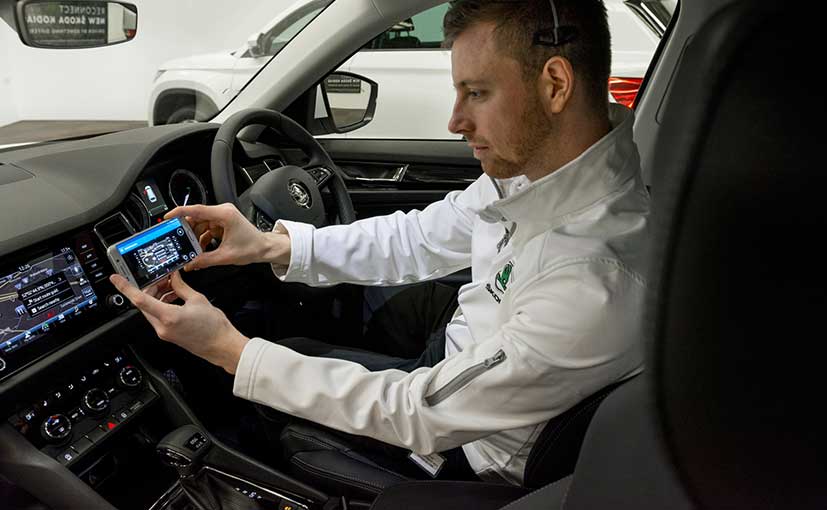
Skoda Live Tour connects the customer to a Product Host via an internet video link

Skoda' s Live Tour uses Whisbi's cloud-based conversational technology to help the real retailer experience transition online. Additionally, Skoda's Product Hosts will uses a combination of smartphone camera and static cameras to showcase the details of the cars. Other than that, the Product Host can assist the customer in configuring their desired vehicles online, search for a local retailer, and register a request for a test drive in person.

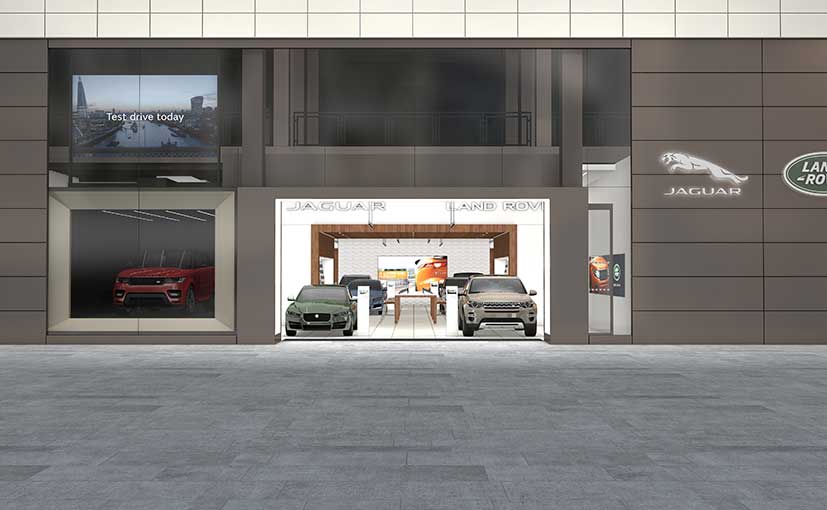
jaguar land rover digital store
Jaguar Land Rover Digital Store in Westfield Stratford, London

It must be noted Skoda isn't the first carmaker to establish a digital pathway to buying a car. Several companies including Audi, Jaguar Land Rover, and Hyundai have online showrooms and digital dealerships across the world. Audi revealed its virtual showroom at the 2016 Consumer Electronics Show in Las Vegas, whereas JLR introduced 'Virtual Experience' in 2012 that allowed customers to engage and interact with an almost life-size high resolution rendering of any of the company's vehicles. The British carmaker also launched a digital retail website and accompanying store in the Westfield Stratford shopping centre in Stratford, London last year.

SOURCE

Monday, 1 May 2017

TVS To Launch New Scooter, Motorcycle


TVS Motor Company will launch two new products - an all-new scooter and a motorcycle - this fiscal, a senior TVS official has said. Additionally, TVS also plans to upgrade existing models to expand its two-wheeler portfolio. The Chennai-based two-wheeler manufacturer has also earmarked capital expenditure worth Rs 500 crore for the current fiscal, which will be invested in the company's three manufacturing plants to ramp up production of existing, as well as new models. TVS Motor Company has manufacturing plants at Mysore in Karnataka, Hosur in Tamil Nadu and Nalagarh in Himachal Pradesh.

"Besides regular upgrades and refreshes of existing products, we plan to launch a new scooter and a bike this fiscal," TVS Motor Company CFO and Executive Vice President, Finance SG Murali said. He however, did not share details about the upcoming products.

tvs apache rtr 310 spied
Production-ready TVS Apache RTR 310

The new motorcycle to be launched by TVS is expected to be the new TVS Apache RTR 310, a full-faired, entry-level sportbike built on the same engine as the BMW G 310 R, a bike jointly developed by TVS Motor Company and BMW Motorrad. The BMW G 310 R is made in India at the TVS manufacturing plant and is already on sale in Europe and the US.

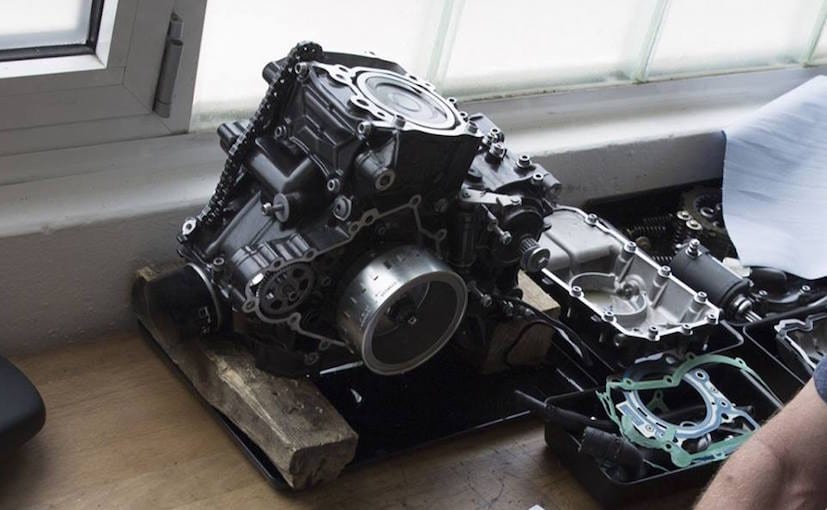
In India, the first bike to be launched under this partnership is expected to be the Apache RTR 310, expected to be launched in July 2017. The BMW G 310 R launch will be afterwards, sometime in late 2017 or maybe even in early 2018. The difference in these two bikes is that, while the BMW G 310 R follows a naked street styling, the Apache RTR 310 will be a full-faired sportbike, the first such offering from TVS. The engine is the same as the BMW's - a single-cylinder, liquid-cooled, four-stroke 313 cc engine which makes 34 bhp and 28 Nm on the G 310 R. The engine has a unique, reverse cylinder layout, with the intake pointing to the front and the exhaust towards the rear of the engine when mounted on the chassis.

bmw g 310 r production engine
BMW G 310 R production engine with reverse cylinder layout

The Apache RTR 310 is expected to be priced around Rs 1.6-1.7 lakh (ex-showroom Delhi) and will be one of the most competitively priced full-faired bikes in the segment. TVS has a strategic partnership with BMW Motorrad to develop and manufacture sub-500 cc bikes both for domestic and global markets. The two companies had announced the collaboration in 2013.
"We have started to export the BMW G 310 R and our version of the motorcycle will be launched this fiscal," Murali said.

tvs jupiter bs iv
2017 TVS Jupiter

The new scooter in question is expected to be an all-new 125 cc scooter. TVS sells scooters under the Jupiter, Wego and Scooty brands, but all these scooters are in the sub-110 cc segment. The Jupiter is the company's largest-selling scooter model, and is currently the second largest selling scooter in India as well. In 2016-17, TVS sold nearly 7.5 lakh scooters, overtaking Hero MotoCorp to become the second highest-selling scooter manufacturer after Honda Motorcycle & Scooter India. The 125 cc scooter is expected to be launched under the Jupiter brand name.

Isuzu MU-X SUV Launch Date Announced


After relative success with the likes of the Isuzu D-Max V-Cross, Isuzu is all set to launch yet another SUV in the Indian car market, the MU-X, on the 11th of May 2017. The new Isuzu MU-X will replace the company's current flagship model in India - the MU-7. Last year, back in early September 2016, Isuzu had imported a new MU-X SUV to India for homologation and testing. The Isuzu MU-X will take on the likes of the Toyota Fortuner, Ford Endeavour, Chevrolet Trailblazer and the upcoming Skoda Kodiaq too with its seven-seat layout.
The Isuzu MU-7, which the MU-X will replace, never really found success in the Indian market mainly because mainly because the SUV looked outdated and not as feature-rich as its aforementioned rivals. Moreover, Isuzu was a still a new brand back then and customers had much better and reliable options to choose from. As for the new Isuzu MU-X, the SUV is a lot more modern both visually and in terms of features and equipment. It certainly looks more contemporary and stylish compared to the outgoing MU-7. The SUV is based on the new-generation D-Max pick-up truck, which was developed in collaboration with General Motors and was first introduced in 2013 internationally. It has been very successful in other south-east Asian markets like Thailand and Indonesia and is also sold in other right-hand-drive (RHD) markets like Australia, Malaysia and Philippines.

In terms of exterior design, the Isuzu MU-X gets a large twin-slat chrome grille up front, flanked by sharp headlamps with projector lights and a muscular bonnet. The beefy front bumper houses the wide central air dam, round chrome-tipped fog lamps and an aggressive skid plate. The SUV also features flared wheel arches, 17-inch alloy wheels and roof rails all adding to its brawny profile. It will come with a 7-seater cabin layout equipped with premium upholstery and comfort features like automatic climate control, rear AC vents and cruise control. The MU-X will also get a height adjustable driver seat, ABS with EBD, terrain management system and few others.
Under the hood, the vehicle is likely to get the same 3.0-litre diesel engine that does duty on the existing MU-7, which churns out 161 bhp and develops a peak torque of 360 Nm. Transmission options will also likely remain unchanged, a 5-speed manual or a 5-speed conventional automatic. The MU-X will also most probably get a four wheel drive variant in the line-up, a feature that the MU-7 never received in India in the past.

2017 Honda Activa i, Honda Aviator Launched


Honda Motorcycle and Scooter India (HMSI) has introduced the 2017 Honda Activa i and Honda Aviator scooters with updated Bharat Stage IV (BS-IV) compliant engines. With the introduction of these two updated models, Honda's entire scooter line-up is now BS-IV compliant. Both the Activa i and the Aviator now also come with the automatic headlamp on (AHO) function, in line with the new safety norms. The Honda Activa i is priced at ₹ 47,913 (ex-showroom Delhi), while the Aviator is priced in the range of ₹ 52,077 to ₹ 56,454 (ex-showroom, Delhi).
 While visually the Honda Aviator sees no new change, the Activa i comes with an updated colour pallette in five new options. All colour options are in dual tone and come with new graphics on the side panels. The new colour options include - orchid purple metallic, lush magenta metallic, neo orange metallic, black, and imperial red metallic. The Activa i also gets body-coloured mirrors, unlike the Aviator that comes with black mirrors.
Both the Honda Activa i and the Honda Aviator are powered by the same 109.19 cc air-cooled, four-stroke engine that makes 8 bhp of peak power and develops a maximum torque of 8.94 Nm. The BS-IV compliant motor is paired to a V-Matic transmission unit as was the outgoing model. Due to its beefier dimensions and the inclusion of more metal components, the Aviator is 2 kg heavier than the Activa i, at 105 kg. This additional weight also restricts the Aviator's top-speed to 82 kmph, while the Activa i's top-speed is rated at 83 kmph.
In terms of suspension and brakes, the Activa i comes with the spring loaded hydraulic type suspension at both front and rear, while steel wheels and drum brakes come as standard on both ends. The Honda Aviator, on the other hand, gets telescopic suspension up front and spring loaded hydraulic suspension at the rear. The Aviator also offers three options for wheels and brakes combination - front drum brakes with steel wheels, front drum brakes with alloy wheels and the top-end model that comes with alloy wheels and front disc brake. The rear wheels of both the scooters come with drum brake along with Honda's combined braking system (CBS) as standard.                            

Honda CBR250R, CBR150R Sales Temporarily Stopped

 simplezoom-img
 
Honda Motorcycle and Scooter India (HMSI) has stopped sales of the Honda CBR150R and the Honda CBR250R motorcycles. The two models have already been taken off the company's website and are no longer available on sale, although they haven't been discontinued. HMSI officials said that the two motorcycles are yet to be upgraded to meet the Bharat Stage IV (BS IV) emission norms which came into effect from April 1, 2017 and so, for the time being, these have been taken off the website. HMSI says that it will launch the BS IV compliant models of the CBR150R and the CBR250R soon.
 
honda cbr 150r (Honda CBR150R)

The Honda CBR150R and CBR250R are the only two full-faired motorcycles in the 150 cc and 250 cc motorcycle segments from Honda. While the CBR150R is priced below the Rs 1.5 lakh mark, the CBR250R is priced below Rs 2 lakh (ex-showroom Delhi). Although not seen as volumes gainers in HMSI's motorcycle portfolio, both these models attract significant fan following and sales. In FY2017, the Honda CBR150R sold over 5,466 units, losing 3,189 units over the same period a year ago. The CBR250R, which has been in production since 2011, has made quite a mark as a do-it-all bike among enthusiasts, doubling up as a daily commuter and occasional tourer. Honda has not updated the CBR250R since 2013. The bike sold an average of 214 units every month for FY2017, over the average monthly sales of 290 bikes in FY2016.

Models Sales (April 2015- March 2016) Sales (April 2016-March2017) Percentage Change
Honda CBR150R 8,655 units 5,466 units -36.85%
Honda CBR250R 3,485 units 2,570 units -26.26%

The Honda CBR150R and CBR250R are the only two full-faired motorcycles in the 150 cc and 250 cc motorcycle segments from Honda. While the CBR150R is priced below the Rs 1.5 lakh mark, the CBR250R is priced below Rs 2 lakh (ex-showroom Delhi). Although not seen as volumes gainers in HMSI's motorcycle portfolio, both these models attract significant fan following and sales. In FY2017, the Honda CBR150R sold over 5,466 units, losing 3,189 units over the same period a year ago. The CBR250R, which has been in production since 2011, has made quite a mark as a do-it-all bike among enthusiasts, doubling up as a daily commuter and occasional tourer. Although Honda has not updated the CBR250R since 2013, the bike still sells an average of 290 units every month for FY2016, over average sales of 214 bikes every month in FY2017.

HMSI offered massive discounts on these two bikes at the end of March 2017 to clear out existing stocks of motorcycle which do not meet the updated BS IV regulations. For instance, the top-end Repsol variant of the Honda CBR250R, which costs Rs 1.92 lakh (ex-showroom Delhi), was offered with discounts of Rs 25,000. The Honda CBR250R was launched in India in 2011, while the CBR150R was launched in India in 2012. With these two models off the market, HMSI currently offers the Honda CB Hornet 160R as its premium commuter offering in the sub-Rs 2 lakh segment.

Sunday, 30 April 2017

Jeep Brand Might Be Sold By Parent Automaker Fiat Chrysler Automobiles

In what could be a huge disruption for the Jeep brand in India and across the world, Fiat Chrysler Automobiles Chief Executive Sergio Marchionne recently admitted that the group was considering selling off the Jeep and Ram brands. The comment was made at a press conference call, which was held to discuss the FCA financial earnings from the first quarter of 2017 which have been much better than originally anticipated. When asked if FCA would consider selling Jeep and Ram by a representative of the Press, Marchionne answered in one word 'Yes'. Surprisingly, this comment comes at a time when Jeep is one of FCA's crown jewels and is driving the growth both financially and in terms of brand new models.

Jeep, the first automaker to really explore the lucrative SUV segment with the launch of the original Jeep Wagoneer and then with the Cherokee and Grand Cherokee decades ago and is the only real part of FCA that has been constantly bringing new and updated UVs to the market that have a global appeal. In India, Jeep has invested ₹ 1800 Crore at the Fiat factory in Ranjangaon in order to accommodate production of the Jeep Compass. The Indian factory will not just be used to meet demands for the Indian market, which is always SUV hungry, but also be used as a hub for all right hand drive markets around the world including the United Kingdom, South Africa, South East Asia, Japan and Australia.


If sold, FCA would be only left with Dodge and Chrysler in the United States. Coincidentally, neither Dodge nor Chrysler have a SUV in their ranks, a segment that accounts for more than 40% of the American car market. Similarly, Ram, which was made into a new brand altogether after being split from the Dodge group is the only mass-market pickup truck maker in the FCA family and that is another huge hunk of the American car market.

Skoda Kodiaq Bookings Officially Open in india

The new Skoda Kodiaq will be launched in India around Diwali and will be a very important product for Skoda to take on the likes of the Toyota Fortuner and the Ford Endeavour amongst others. Skoda India have officially listed the Kodiaq on their website and dealers have officially started taking bookings for the same. The booking amount for the Skoda Kodiaq is Rs 20,000 and dealers expect a late October or early November delivery schedule. Dealers have also confirmed that the new Skoda Kodiaq will be available with both the petrol and the diesel engines when launched later this year. The SUV is even currently undergoing testing in India.

 The Skoda Kodiaq will also get all-wheel-drive and the 7-speed DSG automatic gearbox as standard across all variants with the petrol and diesel engine. The petrol engine, a 2.0 litre, 4-cylinder turbocharged unit will make 177 bhp of peak power and 320 Nm of peak torque. The diesel engine will be available in two states of tune. The 2.0 litre diesel, 4-cylinder turbocharged unit will make either 147 bhp and 340 Nm or 187 bhp and 400 Nm of peak power and torque giving it enough grunt to take on its competition from Toyota and Ford.

skoda kodiaq first drive
Skoda Kodiaq is likely to be launched around Diwali

The Skoda Kodiaq is based on the same MQB platform that underpins the likes of the upcoming Volkswagen Tiguan. The difference though is the fact that the Kodiaq is a seven-seater SUV while the Tiguan will only get a five-seater configuration. The large and roomy cabin is well appointed but the real appeal of the Kodiaq will be its brawny styling that gives it great road presence and unique design that although not pretty in the conventional sense, is quite appealing to most.
Source

Sunday, 23 April 2017

BMW 5-series long-wheelbase revealed


The long-wheelbase BMW 5-series Li has been revealed at the Shanghai motor show, ahead of its China-only sales debut. The wheelbase of the new 5-series is stretched by 133mm for the China-only model, taking the overall length to 5,069mm, which is just 29mm shy of the length of the standard-wheelbase BMW 7-series.
 Built in collaboration with BMW’s Chinese partner carmaker Brilliance, BMW claims that the new model is 130kg lighter than its predecessor. The 5-series Li is expected to weigh around 1,610kg, while the standard 5-series ranges from 1,540kg to 1,660kg, depending on the specification. The extended-wheelbase 7-series adds 40kg on to the standard car’s kerb weight.
The 5-series Li also gets improved soundproofing, electrically-adjustable seats and a panoramic glass roof, along with extra knee room. A touchscreen mounted on the central armrest is the most notable feature at the back, along with a storage box.
The 5-series Li's engine line-up is expected to be two 2.0-litre four-cylinder petrol engines and one 3.0-litre six-cylinder – the same line-up as its predecessor, whose engines ranged from 207-310hp. It’ll be built, like the previous model, at BMW’s plant in Shenyang, China. BMW also offers a stretched X1 small SUV, the X1 Li, for the Chinese market.

2017 Kawasaki Z1000, Z1000R and Z250 launched


After bombarding us with four bikes – the Z900, the Z650, the new Ninja 650, and the 2017 Ninja 300 – Kawasaki has more in store for India. Its latest offerings come in the form of the 2017 Z250 (Rs 3.09 lakh), the Z1000 (Rs 14.39 lakh), and its sportier Z1000R (Rs 15.49 lakh) variant. All prices are ex-showroom, Delhi.

The key mechanical change on the Z1000 is that it is now BS-IV compliant. What’s nice is that the upgrade has not resulted in drop in either power or torque. This means that the Z1000 still continues to be powered by a 1,043cc, four-cylinder engine and churns out 142hp and an impressive 111Nm of torque. Furthermore, Kawasaki claims that the bike’s ECU has been recalibrated for smoother power delivery. Also new on the 2017 Z1000 are the indicators for gear position and gear up-shifts.

New to kawasaki’s line-up is the Z1000R, which is a sportier avatar of Kawasaki’s range-topping naked. This version of the litre-class Z uses the same engine as the Z1000, but comes with a few extra goodies. These include special front brake discs designed for better heat dissipation that are clamped down by M50 monobloc callipers by Brembo, and a new Ohlins rear monoshock. It also comes with a dedicated body graphics package.

The Japanese bikemaker has also silently upgraded its baby naked, the Z250, for BS-IV compliance. Like its bigger sibling, the Z-range starter sees no dip in outputs of 32hp and 21Nm that the 2016 bike made from its 249cc, parallel twin.

The Z1000 takes on bikes like the Honda CB1000R, while the smaller Z250 rivals the likes of the Benelli TNT 25 and the recently launched  KTM Duke 250.

Sunday, 9 April 2017

Watch: Sachin Tendulkar Requests Motorcyclists To Wear Helmets

With one of the largest number of accidents accounted every year globally, India has a questionable road safety record. Despite several road safety and awareness campaigns in play, people find it difficult to follow basic safety rules like wearing a seatbelt or a helmet. The lack of which is the major reason for most car or motorcycle related injuries. Cricketing legend and avid car enthusiast Sachin Tendulkar is the latest to have noticed this lack of discipline and recently took it upon himself to spread the word.

In a video posted by Sachin Tendulkar on Twitter, the former Indian cricketer can be seen asking two boys that were following his car in a scooter in a chance to grab a selfie. While the boys did exactly that, the lack of a helmet on either the rider or pillion prompted Sachin to ask them to wear one. The video was uploaded with the caption, 'Road safety be the highest priority for everyone. Please don't ride without a helmet.'

In the video, Sachin asks, "Promise me one thing, the next time you will use a helmet. It is dangerous for you like this. Life is precious. Is that a promise? 100 percent?" The boys do promise it, but after getting a selfie with the Master Blaster. Not only the boys, but Sachin also urged another rider to wear a helmet as he tried to catch a glimpse of the legend.
According to the World Health Organisation, motorcyclists without a helmet are 40 per cent more likely to die from a head injury. In 2015, the government recorded over 5 lakh road accidents across India, which equates to nearly 400 accidents every day, which is an alarming number by global standards. That statistic alone should be enough to urge you to buy a safe helmet. But a huge number of riders do not follow the rule, which is disappointing. Hopefully, words from the God of cricket will help prevail some sense in a number of riders.


Why The Shift To BS 6 Emission Norms Could Be Very Thorny

The drama we witnessed in the last two weeks of March over the transition to BS IV or Bharat Stage Four emission norms across India was quite remarkable. And within that we also have a very clear message. That the judiciary is going to step in to ensure government, and also industry for that matter - is mindful and acts on the pollution problem plaguing our country. But first lets look at the April 1 2017 deadline for the complete nationwide transition to BS IV. You would recall that India's auto industry had petitioned the court to accept its version of the interpretation of the government order - that mandated the shift. The industry said the order implied that only BS IV vehicles would be manufactured from the said date, while sales of BS III stocks may continue. But as far back as September 2016, the EPCA (Environment Pollution Control Authority) had warned that the order was meant to see a complete stop of all BS III vehicles by then - including sales and registration too. The EPCA was set up at the behest of the Supreme Court and eventually ruled - just 2 days before the deadline, that the date was absolute, and that any left over stock must be sold by the industry before April 1. We saw discounts and mayhem like it was a double-Diwali - with schemes ranging from 10 to 25 per cent off the price of some bikes to even free bikes being given with larger ones from the same brand.

Of course you are free to choose which side you agreed with or didn't. But the court's order was very clear. It also justified the fact that there were two deadlines (April 1 2016 for all-new models to be launched as BS IV only, and a year later for existing models to transition). And in all the manufacturers got time from March 2014 when the order had first been issued. So the real question that emerges now - and one I am watching keenly - is what will happen with the next emissions cycle leap that India wants to make. It was once again the Supreme Court that ruled last year that India leapfrog Stage V norms and go straight to BS VI - on April 1 2020. That is a whole 5 years before the initial deadlines set years ago. And this time there is just one deadline for a nationwide switch. The move will also no doubt take the March 29 2017 ruling as precedent and that is why I called the next deadline absolute. This means there is unlikely to be any ambiguity on what the deadline means. Manufacturing, sales and registration of BS IV vehicles will not be permitted post March 31 2020.

So what am I worried about really? Well the EPCA's directive, which the court has agreed to enforce, is definitely a step in the right direction to really tackle the pollution issues the country faces. But in order to begin switching car, bike and truck models to BS VI, the industry would need to begin introducing them in the months preceding the deadline. And that means BS VI fuel would need to be available almost a year earlier - according to SIAM (Society of Indian Automobile Manufacturers). It also says the earliest we could get BS VI compliant fuel is September 2019 - and that is also debatable as oil companies have not still committed to one date. This does not give the industry enough time to make the transition by April 1 2020 says SIAM. So we are not out of the woods - or courts for that matter - as yet. The issue is a thorny one and while it has great intent at the heart of it - needs proper resolution and understanding to ensure a smooth transition. By smooth I don't just mean for the industry and all stakeholders - but mainly for you - the consumer. After all BS VI compliant vehicles are likely to be a tad pricier. Let us not forget the safety norms that are also coming into play starting October this year - which will make all cars at least crash ready and carry more safety equipment as standard. That is already going to add to prices anyway. And the industry is ready from a tech point of view anyway - most models in India are global ones (or based on global platforms). And many manufacturers already export Euro VI (similar to BS VI) compliant vehicles already. So making the same kinds of vehicles for India will not be the big challenge. The question is of whether dates and deadlines can be honoured realistically. So does that mean I would prefer deadlines for emission control to be extended indefinitely? Absolutely not. Instead I would look to the government to offer us a clear picture of exactly when the state-run oil companies will actually be able to supply BS VI fuel. Because that is going to be the real test for our capability to make this transition. And I do hope we get clarity sooner than later.

Production Ready TVS Apache RTR 310 Spotted Sans Camouflage

The TVS Apache RTR 310 is a much awaited offering and is all set to go on sale sometime in July 2017. With the launch just months away, TVS' first big bike has been spotted completely undisguised in new images that recently emerged online. The new TVS Apache RTR 310 will take on the likes of KTM RC 390, Kawasaki Ninja 300, Yamaha R3 and the upcoming Benelli Tornado 302R.

The TVS Apache RTR 310 started life as the Akula 310 Concept and was showcased at the 2016 Auto Expo. Garnering rave reviews from the media and enthusiasts alike, the offering is also TVS' first full-faired motorcycle developed in collaboration with the company's racing division. While the production version does not carry the carbon fibre bodywork that we loved so much on the concept, it still holds true to the lines which have been slightly toned down. What you see here are new dual headlamps, split seats, clip-on handlebars and possibly Pirelli tyres with the latter likely to be offered as standard, unlike the Apache RTR 200.

q2017 tvs apache rtr 310 spied
The Apache RTR 310 shares its powertrain with the BMW G 310 R

The TVS Apache RTR 310 will also be the first bike to be launched in India with the underpinnings of the BMW-TVS alliance, Essentially, the new Apache shares its powertrain with the upcoming BMW G 310 R. However, the BMW bike is not expected to make it to the domestic market before 2018. This will give TVS enough time to build its full faired offering in the market as a track-ready motorcycle, similar to KTM's RC series.
The TVS Apache 310 will draw power from the 313 cc single-cylinder, liquid-cooled engine, shared with the BMW G 310 R. On the BMW offering, the engine churns out 34 bhp of power at 9500 rpm and 28 Nm of peak torque at 7500 rpm, paired to a 6-speed gearbox. While the G 310 R is aimed at a calmer and more touring inclined riding experience, we could see power being concentrated near the top-end for the TVS motorcycle. However, we will only get a good idea of the how the engine has been tuned once we ride it later in the year.

tvs akula 310 concept

The TVS Akula 310 Concept looked stunning in the carbon fibre bodywork
Meanwhile, also expect to see a tall windscreen, all-digital instrument console, projector headlamps, LED indicators, USD front forks and a monoshock rear suspension setup. The bike will come with petal disc brakes at the front and rear, while ABS is likely to be offered as standard.
TVS is likely to keep the prices extremely competitive and the Apache RTR 310 could start around ₹ 1.6-1.7 lakh (ex-showroom) when it goes on sale.


Sunday, 2 April 2017

New Suzuki Swift dzire leaked undisguised


Maruti Suzuki Dzire is certainly one of the popular compact sedans in Indian market for a long time now. The car is based on the Indo-Japanese automaker’s highly successful hatchback, the Swift. While Swift is preparing to be launched in its all-new avatar only early next year, the Swift Dzire will be the first to arrive in the coming months – expected in May.
With a fresh pack of sharper design language, the Swift Dzire will be aiming to appeal for both personal as well as fleet operators through its life span. As the sub-four compact sedan segment is known for practicality and less-than-favourable good looks, the 2017 Swift Dzire could re-write a new chapter with upmarket styling obtained from its hatchback cousin along with the efficient powertrain, spaciousness and practicality.


The all-new Dzire will share several design elements and components with the upcoming Swift besides the platform from Baleno that was said to be 15 percent lighter than its hatchback guise. Recently test-mule of the upcoming Swift Dzire was spotted by the people at gaadiwaadi testing near the automaker’s Manesar plant in Haryana and here they have brought you pictures of the production model.


Maruti Suzuki has commenced production of the new generation Dzire sedan as we can exclusively reveal. The leading car maker in the country could opt to drop the Swift badge from the subcompact sedan in pursuit of rendering it a unique identity within the product lineup. The Swift and the Dzire hold huge significance for the leading car maker in the country in terms of sales.

in fact, the Swift has more customers in India than the entire global markets combined by a large amount. The Dzire took advantage of the sub-four metre category and is the first product that emerged with superlative sales numbers over the years in that particular space. Therefore, the new generation versions of both these models will be looking to carry the torch with dignity from their predecessors.


More emphasise has been put on the visual front, as the Dzire remains significantly unaltered ever since it entered the business. Standing in line with the new generation Swift hatchback that had already been revealed globally and will grace India early next year, the front fascia poses an aggressive and sleeker stance.
The headlights incorporating LED Daytime Running Lights are now sharper and will give a distinctive look compared to the outgoing model. The front bumper has larger air intake at the lower portion while the fog lamp surrounds are much more appealing and sporty. The high-end trims will have the newly designed hexagonal grille being treated with chrome amidst other design elements receiving the same touch for an upmarket appeal.
 The upcoming Maruti Dzire will have its side profile heavily influenced by Baleno with more curvy A-pillar and sloped roofline elevating its overall stature. But the rear end will largely reminds the current version with minor tweaks. As the new Dzire is based on the Baleno’s platform, expect it to have lowered kerb weight that could assist in improved handling.

Friday, 24 March 2017

Lexus brand makes its way to India, 3 models launched

Lexus, the luxury arm of Japanese carmaker Toyota, has finally made its way to India. Lexus has been planning on an Indian foray for the last four years and has now entered the market with a three-model portfolio – the ES 300h, RX 400h and the LX 350d. While bookings have already started, deliveries will begin from April.


Lexus officials at the unveiling of the brand
The Lexus 300h
The Lexus 300h is based on the Toyota Camry’s platform

Two of the aforementioned models are hybrids, made apparent by the ‘h’ moniker. The Lexus ES 300h is the most affordable car that the company currently has in India. It is priced at Rs 55.27 lakh and shares its platform with the Camry. The ES runs a series-parallel hybrid system which uses a 160PS/233Nm 2.5-litre petrol engine that makes 160PS and 233Nm. This engine is combined to a 143PS/270Nm electric motor. An e-CVT transfers power to the front wheels. The sedan also looks similar to the donor Camry but with a bit more of luxury features. The interior too has generous amounts of wood and chrome inlay to it.

Lexus 450d (2)
The Lexus 450d is based on the Toyota Land Cruiser

The LX 450d is also based on a Toyota that we know – the Land Cruiser. Lexus’ sharp design language has transformed the all-flab donor car to a lithe-looking unit in the form of the LX. The spindle grille makes this car look imposing. The cabin looks and feels modern with generous amounts of leather all around and comfortable seating for eight passengers. The LX also gets entertainment screens behind the first as well as second row of seats. The seats in middle and last rows also fold electrically to liberate more space for the luggage. Should you need more ground clearance, the suspension of the LX can be raised too. The engine is a 270PS/650Nm 4.5-litre turbo diesel. The engine is mated to a 6-speed automatic and transfers power to all four wheels. Price will be announced at a later date. The hybrid variant is also expected at a later date.

Lexus RX 450h (2)
The RX 450h subscribes to the new design that Lexus recently adopted for its vehicles

Last but not the least is the RX 450h. The RX uses a much bigger 3.5-litre V6 petrol engine and, along with an electric motor, makes 310PS. Power is sent to all the wheels via an e-CVT which is claimed to be more efficient than before. Lexus claims a 0-100kmph time of less than eight seconds and a combined fuel economy close to 20kmpl (American cycle). The RX 450h subscribes to the new design that Lexus recently adopted for its vehicles. This means an aggressive look, chunky alloy wheels, and all-LED head and tail lamps. The price for the Luxury Sport is Rs 1.07 crore while the F-Sport is for Rs 1.09 crore. All prices are ex-Delhi.

There are four dealerships active in the metros as of now, and these are Lexus-exclusive showrooms. Lexus also showcased the all-new LS which we expect the company to introduce here at a later stage. There are also plans of manufacturing the Lexus cars here in India. Currently, all of the cars from Lexus come in through the CBU route.

Tuesday, 7 March 2017

Geneva Motor Show 2017: Volvo Unveils New XC60; Will Come To India

It was Thomas Ingenlath who introduced the world to the all-new Volvo XC60 and it is he who is helping the company move to a new design direction. Volvo's design head has certainly changed our perspective of Volvo's and it all began with the XC90, followed by the S90 and then the V90 Wagon.
 The design has worked phenomenally well with all these cars and it's now time to bring it out in the all-new 2018 XC60. The XC60 is all set to take on the likes of the Audi Q5, BMW X3, Mercedes GLC, and Porsche Macan when it goes on sale later in 2017.

new generation volvo xc60
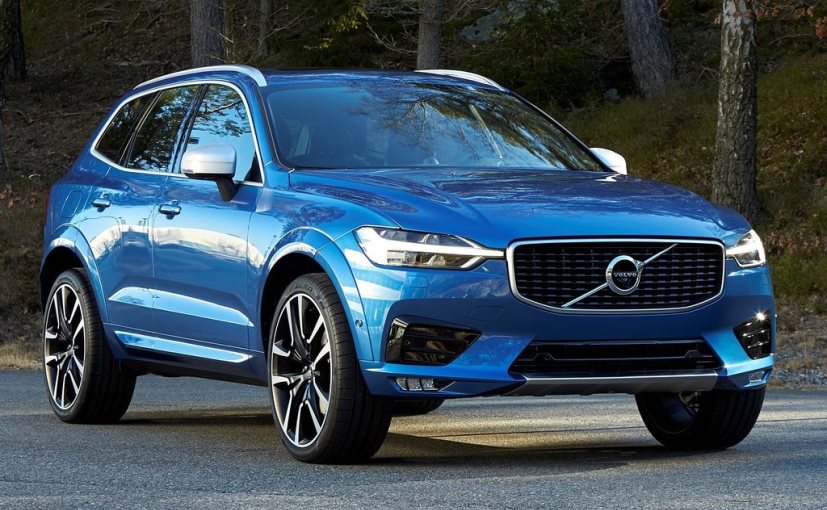
New-Generation Volvo XC60

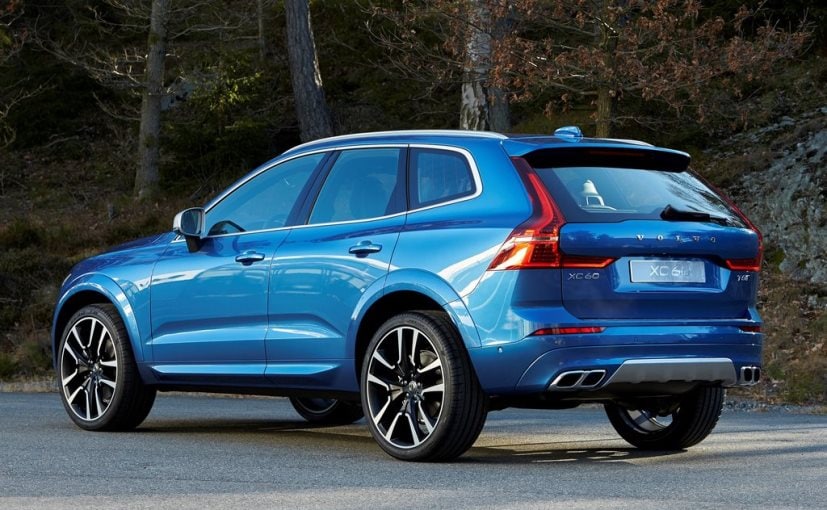
The XC60 is built on Volvo's Scalable Product Architecture (SPA) which pushes the front wheels farther forward than before, improving the dash-to-axle ratio. It looks brilliant in that Bursting Blue colour and trust Volvo to give it those sharp creases and a beefy looking exterior. There's a resemblance to the XC90, no doubt but this one is the athletic and chirpier looking younger brother.
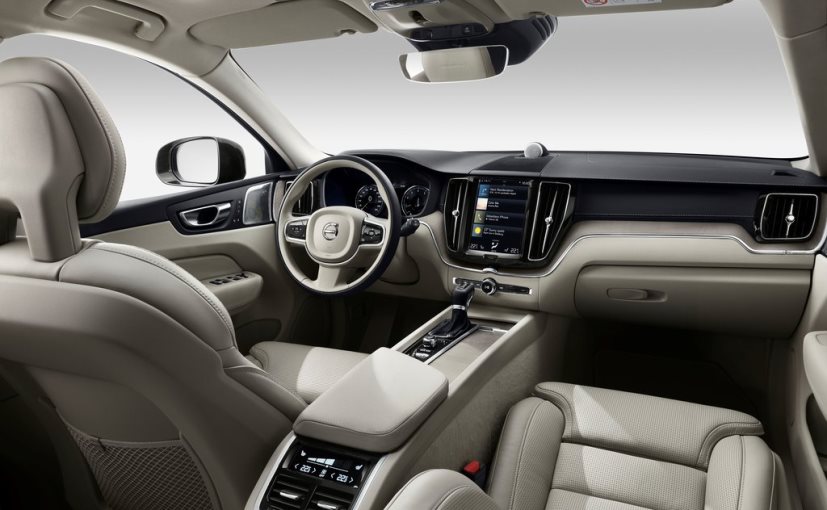
The cabin also takes inspiration from the XC90 and the new XC60 comes with luxe interiors with finishes, and luscious blond nappa leather which remind you of a Bentley. Well considering Robin Page (the head of interior design at Volvo) was associated with the company, that's expected.

new generation volvo xc60 cabin
New-Gen Volvo XC60 Cabin

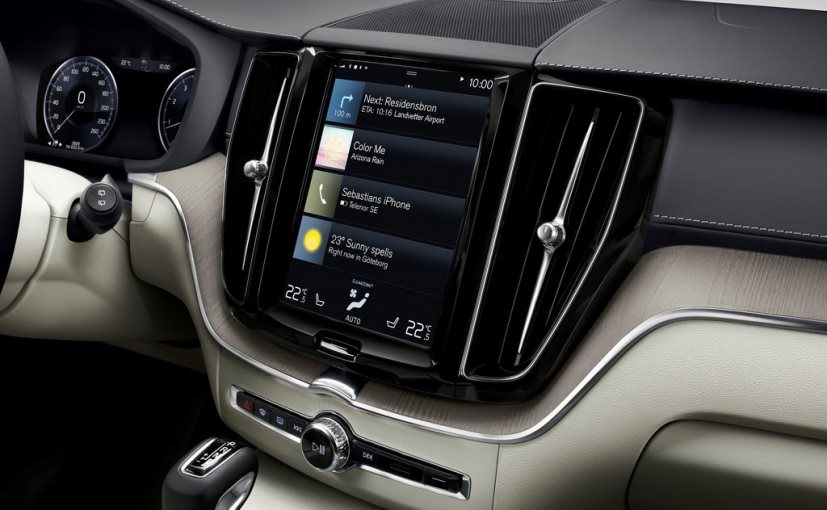
The XC60's instrument panel comes with a flowing ribbon of textured aluminum or wood veneer. The XC60 borrows most of its mechanical bits and driver-facing tech from the XC90, including the portrait-oriented center screen which gets the company's Sensus infotainment system. The control knobs are similar to those of its elder brother and they're jewel-like. There's a four-zone climate control on offer and a Bowers & Wilkins sound system. As in the 90 Series cars, smartphone integration with CarPlay and Android Auto is also available.

new generation volvo xc60 infotainment sytem
New-Gen Volvo XC60 Infotainment System

"We have a strong heritage in designing stylish and dynamic SUVs that offer the latest in technology. The new XC60 will be no exception. It's the perfect car for an active lifestyle, and it represents the next step in our transformation plan," said Hakan Samuelsson, President and Chief Executive, Volvo Car Group.

new gen volvo xc60 rear
New-Gen Volvo XC60 Rear

The new XC60 gets the T8 Twin Engine petrol plug-in hybrid at the top of the powertrain range, delivering 401 bhp and accelerating from 0-100 Km/h in just 5.3 seconds. The other powertrains include the diesel D4 engine at 187 bhp and the D5 with PowerPulse technology delivering 231 bhp. There is also the petrol-powered T5 delivering 250 bhp and the T6, which with both turbo and superchargers attached, delivers 315 bhp and 400 Nm of torque.

Source

Geneva Motor Show 2017: New Gen Maruti Suzuki Swift Debuts; India Launch In 2018

The much awaited next generation Suzuki Swift made its premiere in Japan late last year, and has now made its global debut at the 2017 Geneva Motor Show. Moving to its fourth generation internationally (and third generation in India), the 2017 Swift boasts a completely new character taking the design younger and its handling and performance on the sporty side. The new-generation Suzuki Swift is based on the all-new HEARTECT platform, which is lighter and more rigid than the current version. So the new Swift will shed some kilos and will also be more agile than the model it replaces. Suzuki has also revealed that the new HEARTECT platform bears no similarities to the platforms used by the Baleno or Ignis. This is big news considering the new underpinning likely means there will be more models based on the same platform to ensure economies of scale for Suzuki, and more so for Maruti.

2017 suzuki swift geneva motor show
2017 Suzuki Swift Geneva Motor Show
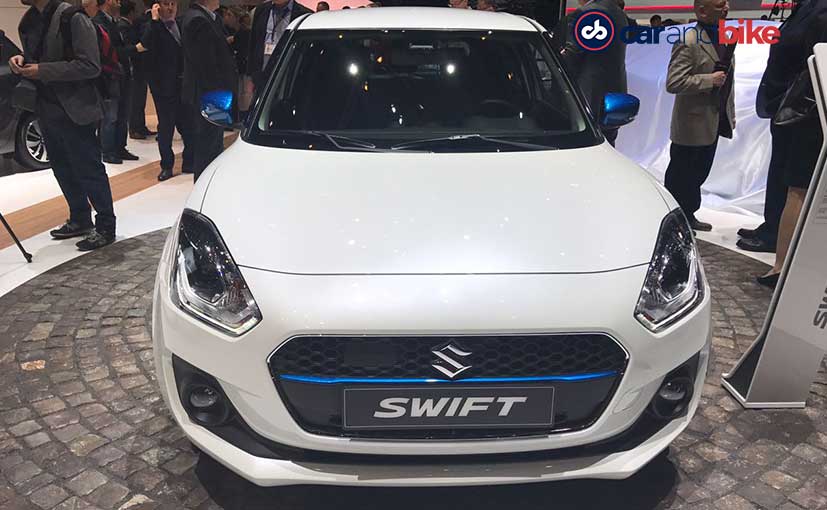
The rigid HEARTECT platform will also make the 2017 Suzuki Swift safer than the current model, thereby complying with global and also proposed Indian safety norms. With respect to design, the new generation Swift has completely new styling and looks more upmarket than its predecessor. The A-pillar accentuates the Swift's trademark styling, while the new sweptback headlamp looks sleek and incorporates LED DRLs. The side profile remains distinctly Swift-like on the new generation and the car now gets a floating roof. This will no doubt allow Maruti to play with contrast roof offerings. At the rear the 2017 Swift has new stubby tail lights with their own LED signature too. The carved out boot-lid with an integrated spoiler and new diamond cut alloy wheels complete the classy look.
2017 suzuki swift geneva motor show
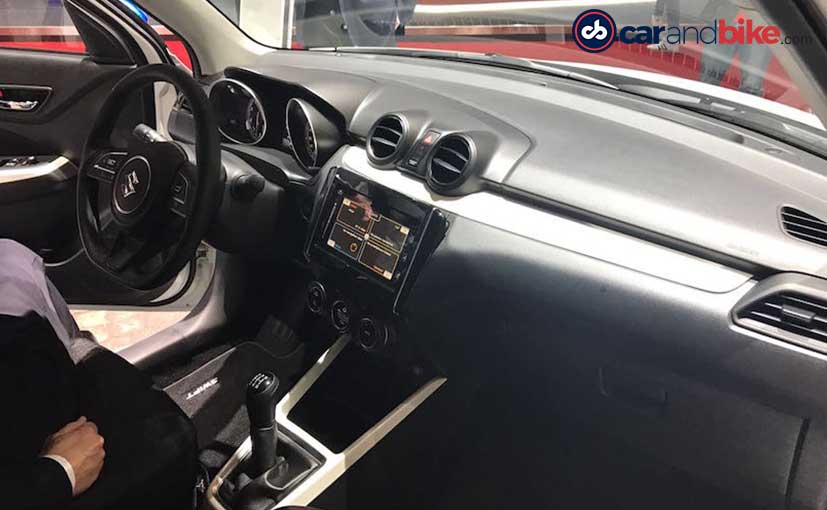
2017 Suzuki Swift Interior

Inside, the cabin features a sportier and young appeal. It's a departure from the current model and comes with a race-inspired twin-pod instrument cluster and inftotainment unit. A touchscreen display graces the central console and is an obvious carry-over from Maruti's Nexa models like Baleno or S-Cross. Safe to say then, that the new Swift will come with Apple CarPlay and Android Auto - and we hope that this connectivity and infotainment will not just be on one top variant. We will also hope that dual airbags and ABS will also be standard o the new Swift.

2017 suzuki swift geneva motor show
2017 Suzuki Swift Floating Roof

Suzuki is yet to reveal the powertrains for Europe and other markets, but we expect the 1.0 litre turbocharged BoosterJet petrol, updated 1.2 litre K-Series petrol and 1.3 litre diesel of course. The Swift shown at Geneva also has SHVS - or Suzuki's mild hybrid - which we expect will come on the Indian spec too. There will also be a much more powerful Swift Sport for the European markets - and if the Baleno RS proves succesful we could hope for that to make it to India too. The 1.2 petrol and 1.3 diesel are the expected powertrains for India though, while the new BoosterJet could also make it to the hatchback as the Sport model. The suspension will also be tuned depending on each market, but expect the hatch to retain its sporty credentials. Transmission options will include the 5-speed manual and automatic units - though Maruti may consider the AMTs for both petrol and diesel models in India.

2017 suzuki swift geneva motor show
2017 Suzuki Swift Tail Light

The Swift is one of Suzuki's most popular nameplates globally and will be launched in European markets soon. The India launch, however, has been pushed ahead and is now scheduled around March 2018. That said, Maruti will be introducing the new generation Swift DZire in the country earlier, with the subcompact sedan expected to go on sale in the second half of 2017.


Source

Saturday, 4 March 2017

BS-IV Compliant Honda Activa 4G Launched At ₹ 50,730

Updating its 2017 line-up, Honda Motorcycle & Scooter India (HMSI) today launched the fourth-generation model of its top-selling 110 cc scooter - Honda Activa. Priced at ₹ 50,730 (Ex-showroom, Delhi) the new-gen Honda Activa 4G now comes with a BS-IV compliant engine and Automatic Headlamp On (AHO) function. This is HMSI's second launch in India this year after the new-gen Honda Activa 125, which was introduced last month. The Activa 4G also comes in two new options - Matt Selene Silver Metallic and Matte Axis Grey Metallic in addition to the existing colours.


Honda Activa 3G

Honda launched the 110 cc Activa in India back in the year 2000. In the 17 years of its existence, the Honda Activa has seen several cosmetic changes, generation upgrades, and a couple different iterations as well (Activa i and Activa 125). Last year the Honda Activa surpassed the Hero Splendor to become the largest selling two-wheeler in India, and it still holds that spot.

Speaking about the new Honda Activa 4G, Yadvinder Singh Guleria, Senior VP - Sales and Marketing, Honda Motorcycle and Scooter India said, "With trust of over 1.5 crore Indian families, Honda's iconic Activa is the first automatic scooter to become not only India's but also World's Number 1 selling two-wheeler in 2016. The fourth generation BS-IV complaint upgrade of the most loved family scooter

-Activa 4G is ready to delight customers once again with added convenience of mobile charging socket & new colours."

Coming to the scooter itself, the 2017 Honda Activa 4G continues to be powered by the same 109 cc Honda Eco Technology (HET) engine, but as mentioned earlier, it is now BS-IV compliant. The motor is capable of churning out 8 bhp at 7500 rpm and develop a peak torque of 9 Nm at 5500 rpm while mated to an automatic CVT gearbox.

While the basic design of the scooter remains quite similar to the previous model, it now comes with better styling and some new features. The front apron design has been revised and now it comes with sharper character lines. The Activa 4G comes with a mobile charging socket now along with features like - tubeless tyres, large under seat storage space, comfortable riding position and more. The Honda Activa 4G also comes equipped with Combi Brake System (CBS) with Equalizer technology.

Maruti Suzuki Alto Sales Cross the 1 Lakh Mark In 5 Months

The Maruti Suzuki Alto has always been one of the bestsellers from the stables of the company. Maruti Suzuki recently announced that its Al...